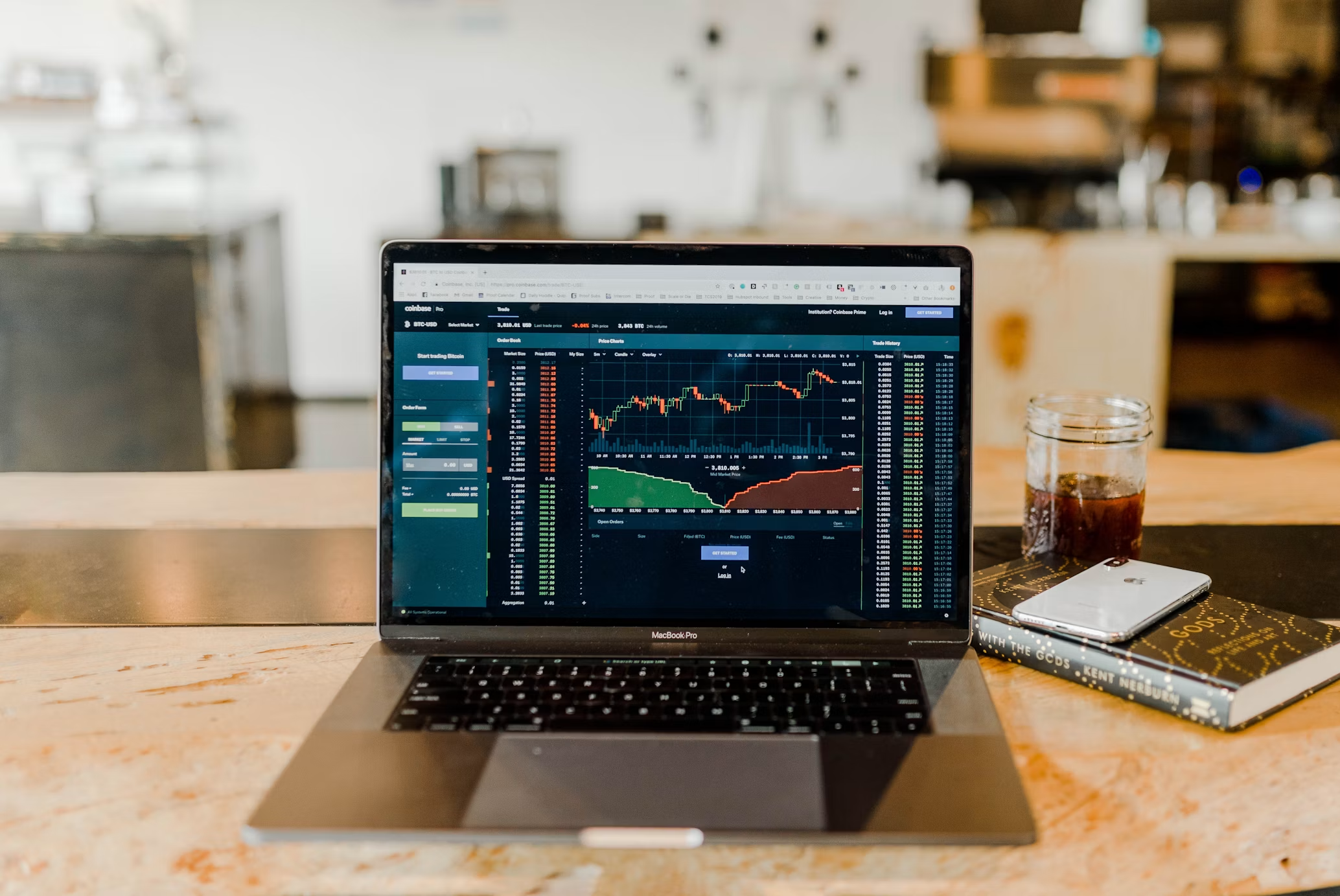

Prop firms broadly split into two families based on the instruments they fund: forex/CFD firms and futures firms. The distinction goes well beyond marketing — it changes the platform you'll use, the trading hours available to you, and even how account rules are worded.
Market structure differences
| Aspect | Forex / CFD accounts | Futures accounts |
|---|---|---|
| Trading hours | Nearly 24 hours, five days a week | Defined exchange sessions with scheduled breaks |
| Pricing | Spread-based, variable per broker/liquidity provider | Standardized tick value set by the exchange |
| Typical platforms | MT4, MT5, cTrader | Rithmic-based platforms, NinjaTrader, TradingView, Tradovate |
| Weekend exposure | Possible depending on instrument and firm rules | Not applicable — markets are closed |
| Regulatory backdrop | CFDs are restricted or unavailable to retail clients in some jurisdictions | Standardized, exchange-listed contracts |
Why platform choice matters more than it seems
A trader who has spent years on MT4 building custom indicators and habits will lose real time adapting to a Rithmic-based futures platform's order entry, hotkeys and DOM (depth of market) interface, and vice versa. Before choosing a firm based on price or brand, confirm the platform is one you're either already comfortable with or willing to practice on a demo account first.
Instrument availability
Forex/CFD accounts typically offer currency pairs, major indices as CFDs, metals like gold and silver, and sometimes crypto CFDs. Futures accounts instead offer standardized contracts on equity indices (like E-mini S&P 500), energy, metals, and interest rate products, each with fixed tick values and contract specifications set by the exchange rather than a broker.
Which one fits which trading style
- Swing traders holding positions over days or weekends often lean toward forex/CFD accounts, where firms are more likely to permit overnight and weekend holds (subject to specific rules).
- Fast intraday scalpers frequently prefer futures accounts for consistent tick value and deep, standardized liquidity during exchange hours.
- Traders focused on gold or major indices can usually choose either model, since both offer exposure to these markets through different instrument types (CFD vs futures contract).
Regulatory considerations
In several jurisdictions, retail access to CFDs is restricted or comes with mandatory risk warnings, while exchange-listed futures fall under a different regulatory framework. If regulatory status matters to you, check the specific product type and your country of residence rather than assuming all "prop firm accounts" fall under one uniform set of rules.
- Can I switch from forex/CFD to futures funded accounts later?
- Yes, many traders hold accounts of both types with different firms; the two are not mutually exclusive.
- Which model tends to have lower entry fees?
- Entry fees vary by firm and account size in both models more than by market type; compare specific offers rather than assuming one category is cheaper by default.